
Introduction
Perfume is more than just a fragrance; it is a personal expression of identity, mood and style. A particular scent can bring back memories, create lasting impressions and become a part of how people recognise us. With countless fragrances available in the market, choosing one that perfectly suits your preferences can sometimes feel overwhelming. From refreshing floral notes to warm woody aromas, every fragrance has its own character and appeal.
Learning how to choose the perfect perfume involves understanding fragrance families, perfume concentrations, scent notes and personal preferences. The right fragrance should complement your personality, suit different occasions and make you feel comfortable and confident. Whether you are purchasing your first perfume or exploring new fragrances, understanding these basics can help you make a more informed choice.
In this guide, we will explore the different aspects of perfume selection, including fragrance notes, perfume types, seasonal preferences and practical application tips. By the end, you will have a clearer understanding of how to discover a fragrance that reflects your individuality and becomes your signature scent.
Understanding Fragrance Notes
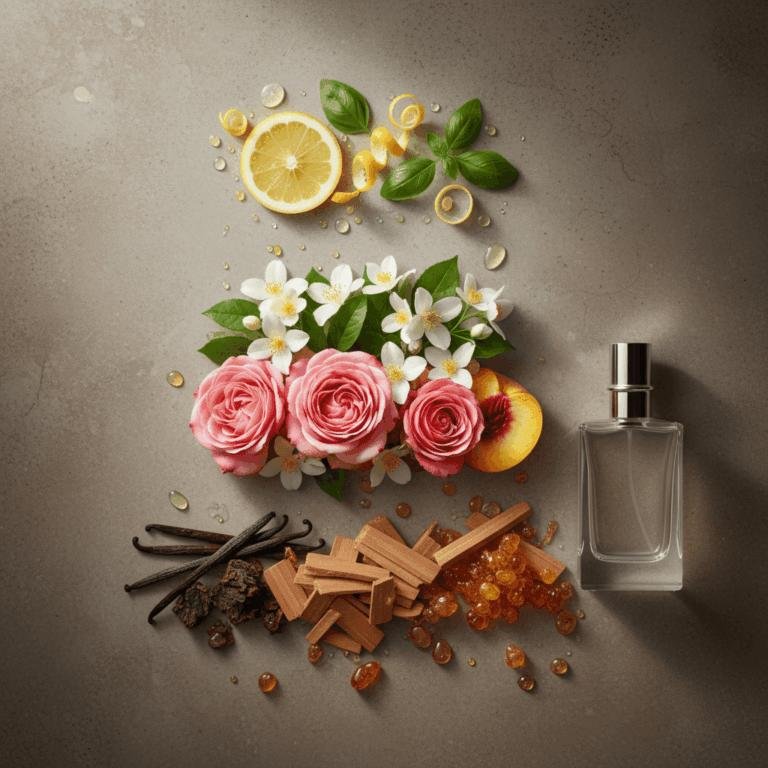
Every perfume is made up of different layers of scents known as fragrance notes. These notes work together to create a complete fragrance experience, gradually changing from the moment a perfume is applied until it fades away. Understanding fragrance notes is important when choosing a perfume because it helps you identify the scents you enjoy and find a fragrance that matches your preferences.
Most perfumes are divided into three main layers: top notes, middle notes and base notes. Each layer has a different purpose and contributes to the overall character of the fragrance.
1. Top Notes
Top notes are the first scents you notice immediately after applying a perfume. They create the initial impression and are usually light, fresh and refreshing. Common top notes include citrus fruits such as lemon, orange and bergamot, along with mint and other fresh ingredients.
Although these scents are noticeable at first, they generally evaporate faster than the other fragrance layers, usually within a few minutes to around half an hour. Top notes are important because they introduce the fragrance and create the first impression of the perfume.
2. Middle Notes (Heart Notes)
Middle notes, also known as heart notes, begin to develop as the top notes fade away. They form the central character of a perfume and are often considered its main fragrance identity.
Floral, fruity and spicy ingredients are commonly used in this layer. Rose, jasmine, lavender, cinnamon and geranium are popular examples. Middle notes usually last longer than top notes and help create a smooth transition between the opening scent and the deeper base notes.
These notes play an important role in determining whether a fragrance feels fresh, romantic, warm or sophisticated.
3. Base Notes
Base notes are the deepest and longest-lasting layer of a perfume. They become more noticeable as the fragrance develops and provide depth, warmth and richness to the overall scent.
Common base notes include vanilla, musk, sandalwood, amber, patchouli and cedarwood. These ingredients often create warm, woody, sweet or earthy impressions.
Base notes can remain noticeable for several hours, depending on the perfume’s formulation, concentration and individual skin chemistry. They also help support the other fragrance layers, giving the perfume a more complete and lasting character.
Understanding how these three layers work together makes it easier to explore different perfumes. Instead of judging a fragrance only by its first impression, allow it time to develop on your skin. This will help you discover its full character and decide whether it is the right choice for you.
Different Types of Perfumes
Perfumes are available in different types, mainly distinguished by their fragrance concentration and the amount of aromatic ingredients they contain. This concentration influences the intensity, strength and potential longevity of a fragrance. Understanding these differences can help you choose a perfume that suits your preferences, lifestyle and budget.
1. Parfum (Extrait de Parfum)
Parfum, also known as Extrait de Parfum, is one of the most concentrated types of fragrance. It contains a higher proportion of aromatic compounds, giving it a rich and intense scent. A small amount is often sufficient, and its fragrance may remain noticeable for several hours. It is generally suitable for people who prefer deeper, more concentrated fragrances.
2. Eau de Parfum (EDP)
Eau de Parfum is a popular choice because it offers a balance between fragrance intensity and everyday practicality. It contains a relatively high concentration of aromatic ingredients and can provide good longevity, depending on the formulation and individual skin chemistry. EDP fragrances are available in floral, fruity, woody and oriental scent families.
3. Eau de Toilette (EDT)
Eau de Toilette is generally lighter than Eau de Parfum. It offers a refreshing fragrance that works well for everyday activities, particularly when a less intense scent is preferred. Citrus, aquatic and floral fragrances are commonly found in this category. Its lighter character makes it a suitable option for people who enjoy subtle fragrances.
4. Eau de Cologne (EDC)
Eau de Cologne usually has a lower fragrance concentration and is known for its light, refreshing character. It often features citrus and herbal notes that create a clean and uplifting impression. Although it generally does not last as long as more concentrated perfume types, it can be a pleasant choice for casual use.
5. Eau Fraîche
Eau Fraîche is a particularly light fragrance category with a relatively low concentration of aromatic compounds. It often provides a gentle and refreshing scent that does not feel overpowering. This type of fragrance is suitable for people who prefer something subtle and easy to wear.
Choosing between these perfume types depends on how strong you want your fragrance to be, when you plan to wear it and how frequently you prefer to reapply it. Rather than assuming that a higher concentration always means a better perfume, consider your personal preferences and the overall quality of the fragrance.
How to choose a Perfume based on your Personality
Choosing the perfect perfume is not only about following popular trends or selecting an attractive bottle. A fragrance can also reflect your personality, preferences and personal style. Since everyone has different tastes, the best perfume is one that feels comfortable and represents the kind of impression you want to create. Understanding your fragrance preferences can make the selection process easier and more enjoyable.
Floral and Romantic Fragrances
Floral fragrances are often associated with softness, elegance and freshness. They commonly include notes such as rose, jasmine, lavender, lily and peony. These scents can create a gentle and graceful impression, making them suitable for people who enjoy delicate and pleasant aromas. Floral perfumes are also versatile and can be worn during everyday activities, social gatherings and special occasions.
Fresh and Energetic Fragrances
Fresh fragrances are ideal for people who enjoy clean, light and refreshing scents. They may contain citrus, green, aquatic or herbal notes such as lemon, bergamot, mint and cucumber. These perfumes often create a lively and uplifting impression. Their refreshing character makes them a popular choice for daytime activities, warm weather and casual outings.
Woody and Earthy Fragrances
Woody fragrances are known for their warm, deep and natural character. Common notes include sandalwood, cedarwood, vetiver and patchouli. These scents can feel sophisticated and comforting, appealing to people who prefer rich and balanced aromas. Woody perfumes are often suitable for evening occasions, cooler weather and situations where a deeper fragrance is preferred.
Sweet and Gourmand Fragrances
Sweet fragrances often feature notes such as vanilla, caramel, chocolate, honey and almond. They are sometimes described as gourmand because their aromas resemble desserts and other sweet treats. These perfumes can create a warm, cosy and inviting impression. They are particularly appealing to people who enjoy noticeable, comforting and slightly playful scents.
Spicy and Oriented-Inspired Fragrances
Spicy fragrances often contain notes such as cinnamon, cardamom, clove, pepper and saffron. They may also include warm ingredients such as amber and vanilla. These scents tend to have a rich and distinctive character. They can be a suitable choice for people who enjoy bold fragrances and want something different from lighter floral or fresh perfumes.
Although fragrance families can help identify personal preferences, personality should not be treated as a strict rule when choosing perfume. A person may enjoy several different fragrance styles depending on their mood, the season or the occasion. The most important thing is to explore different scents and select one that genuinely appeals to you.
Choosing Perfumes for different occasions
A perfume that works well for a casual afternoon may not always be the best choice for a formal event or an evening celebration. Different occasions call for different fragrance styles, depending on the atmosphere, weather and setting. Choosing a suitable scent can help create a pleasant impression while ensuring that the fragrance does not feel too strong or distracting. Understanding how to match perfumes with different situations makes it easier to get the most out of your fragrance collection.
Everyday Wear and College
For everyday activities, such as attending college, going shopping or meeting friends, light and refreshing fragrances are often suitable. Citrus, soft floral, green and aquatic notes can create a clean and comfortable scent. Since these fragrances are generally easy to wear, they can be a practical choice for daily routines. A moderate application is usually enough, especially in classrooms and other shared spaces.
Workplace and Formal Settings
Professional environments and formal meetings often call for subtle and balanced fragrances. Soft woody, fresh, musky and light floral scents can create a polished impression without becoming overwhelming. It is best to avoid applying too much perfume in enclosed spaces, as strong fragrances may affect people who are sensitive to scents. The aim is to choose something pleasant and understated.
Parties and Social Gatherings
Parties, celebrations and social gatherings provide an opportunity to explore more expressive fragrances. Fruity, sweet, floral and warm spicy notes can add character to an outfit and suit lively occasions. Depending on the event, a slightly richer fragrance may be appropriate. However, the scent should still feel comfortable and should not overpower the surrounding environment.
Romantic dinners and Special Occasions
For special dinners and memorable occasions, many people prefer warm, elegant and distinctive fragrances. Notes such as vanilla, amber, rose, sandalwood and musk can create a rich and inviting scent. The best choice depends on personal taste and the atmosphere of the occasion. A fragrance that feels natural and comfortable is often more memorable than one chosen simply because it is popular.
Seasonal Fragrances Choices
Weather can also influence how a perfume smells and feels throughout the day. During warmer months, fresh citrus, aquatic and light floral fragrances may feel pleasant and refreshing. In cooler weather, people may prefer warmer notes such as vanilla, amber, spices and woods. However, there are no strict seasonal rules. A fragrance can be worn at any time of the year if it suits your preferences and the environment.
Ultimately, choosing perfume for different occasions is about finding the right balance between personal preference and the setting. Having a few fragrances with different characteristics can make it easier to select a suitable scent for everyday activities, formal events and special moments.
How to Make Perfume Last Longer
One of the most common concerns among perfume users is how to make a fragrance last throughout the day. Even a well-selected perfume may fade over time because of its ingredients, concentration, skin type, weather and daily activities. Although no fragrance lasts forever, a few simple application and storage habits can help maintain its scent for longer. Understanding how perfume interacts with the skin is an important part of getting the best experience from it.
Apply Perfume to Moisturised Skin
Moisturised skin can help perfume remain noticeable for longer. Dry skin may allow a fragrance to fade more quickly, so applying an unscented moisturiser before perfume can be helpful. Allow the moisturiser to settle before spraying the fragrance. Using an unscented product is a good option because it is less likely to interfere with the perfume’s original aroma.
Focus on Pulse Points
Pulse points are areas of the body where blood vessels are closer to the skin’s surface, such as the wrists, neck and inner elbows. These areas naturally produce warmth, which can help a fragrance develop and become noticeable. Applying a small amount of perfume to these points is a common method of fragrance application. However, perfume should always be used according to its instructions and kept away from sensitive areas.
Avoid rubbing your wrist together
After applying perfume to your wrists, avoid rubbing them together. Rubbing creates friction and may affect how the fragrance develops on the skin. Instead, allow the perfume to dry naturally. This helps preserve the way its different notes unfold, from the initial top notes to the deeper base notes.
Choose the right Perfume Concentration
Perfume concentration can influence how long a fragrance remains noticeable. Parfum and Eau de Parfum generally contain higher proportions of fragrance materials than Eau de Toilette and Eau de Cologne. However, longevity also depends on the formula and ingredients used. Selecting a concentration that suits your preferences and daily routine can help you find a fragrance that meets your expectations.
Store Perfume properly
The way perfume is stored can affect its quality over time. Exposure to direct sunlight, heat and humidity may gradually change its fragrance. It is best to keep perfume bottles in a cool, dry place away from windows and bathrooms. Keeping the bottle tightly closed after use can also reduce unnecessary exposure to air and help preserve the fragrance.
Apply the right amount
Using more perfume does not necessarily make it last longer. Excessive application can create an overpowering scent, especially in classrooms, offices and other shared spaces. A few carefully placed sprays are often sufficient, depending on the perfume’s strength and the setting. It is always better to apply moderately and consider the people around you.
Consider Fragrance layering
Fragrance layering involves using products with similar or complementary scents, such as body lotions, shower gels and perfumes. For example, an unscented moisturiser followed by a fragrance can help create a comfortable base for application. Some fragrance collections also offer matching body products designed to complement one another. When layering, avoid combining too many strong scents, as they may compete rather than blend harmoniously.
Making perfume last longer is not only about the product itself but also about how it is applied and stored. By following simple habits and understanding your fragrance’s characteristics, you can enjoy its aroma more effectively throughout the day.
Finding Your Signature Scent
A signature scent is a fragrance that becomes closely associated with a person’s identity and personal style. It is more than simply choosing a popular perfume; it is about finding an aroma that feels comfortable, memorable and reflects individual preferences. Some people prefer fresh and subtle fragrances, while others enjoy warm, floral, woody or sweet scents. Discovering the right fragrance takes time, patience and a willingness to explore different options.
Understanding your Fragrance Preferences
The first step in finding your signature scent is identifying the fragrance families you naturally enjoy. Consider whether you prefer fresh citrus notes, delicate florals, warm vanilla, earthy woods or rich spicy aromas. Paying attention to the perfumes you already like can help narrow down your choices. You can also explore different fragrance combinations to discover scents that match your personal taste.
Test Perfumes before purchasing
Testing a perfume before buying it is important because fragrances can smell different on different people. Start by testing a small amount on a fragrance-testing strip or your skin. Allow the scent to develop for some time instead of judging it only by its initial smell. Since top notes fade and heart and base notes gradually emerge, experiencing the fragrance over several hours can help you understand its overall character.
Consider your Lifestyle and Preferences
Your daily routine can also influence your choice of perfume. Someone who spends most of their time in college or at work may prefer a light and refreshing fragrance, while another person may enjoy richer scents for social gatherings and special occasions. Climate, personal comfort and the environments in which you spend time are also worth considering. A signature scent should fit naturally into your lifestyle.
Avoid following Trends blindly
Popular perfumes and celebrity fragrances can be interesting to explore, but a fragrance does not have to be trendy to be suitable for you. Personal preferences are more important than popularity. Instead of choosing a perfume simply because it is widely recommended, take time to discover what you genuinely enjoy. This makes the selection process more personal and meaningful.
Give yourself time to decide
Finding a signature scent does not need to happen immediately. Exploring different fragrance families, testing samples and noticing how scents develop can help you make a confident decision. You may also discover that your preferences change with your mood, age, season or occasion. Having more than one favourite fragrance is perfectly fine.
Ultimately, the perfect signature scent is one that feels natural and enjoyable to wear. It should complement your personal style rather than define it. By exploring different fragrances and understanding your preferences, you can discover a scent that creates a memorable part of your everyday identity.
Common Perfume-Buying Mistakes
Choosing a perfume can be an exciting experience, but making a quick decision without understanding the fragrance may lead to disappointment. With so many options available, it is easy to focus only on attractive packaging, popular brands or recommendations from others. Understanding common perfume-buying mistakes can help you make better choices and find a fragrance that genuinely suits your preferences.
Choosing a Perfume only for it’s Packaging
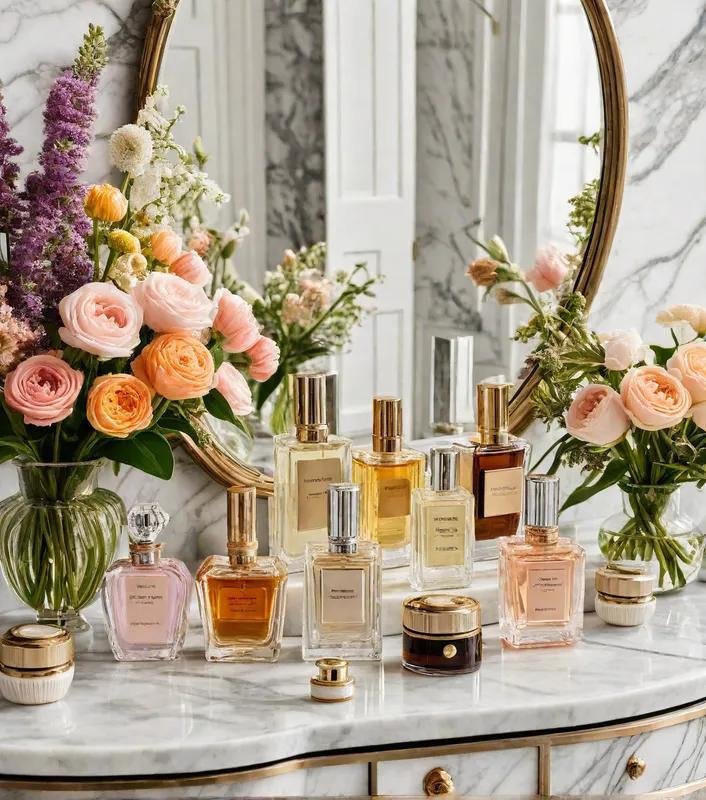
Attractive bottles and creative packaging can make a perfume look appealing. However, the appearance of a bottle does not determine the quality or suitability of its fragrance. Instead of judging a perfume by its design, pay attention to its scent, ingredients, concentration and overall character.
Buying a Perfume without testing it
A fragrance may smell different on a testing strip compared to how it develops on your skin. Purchasing a perfume without testing it can result in choosing a scent that does not match your expectations. Whenever possible, test the fragrance and allow enough time for its different notes to develop before making a decision.
Following Trends instead of Personal Preferences
Popular perfumes may receive positive reviews and recommendations, but that does not mean every fragrance will suit everyone. Choosing a perfume only because it is trending can lead to disappointment. It is more important to understand your own fragrance preferences and select something you genuinely enjoy wearing.
Ignoring Fragrance Concentration
Different perfume concentrations offer different levels of fragrance intensity and may vary in longevity. Not understanding the difference between Parfum, Eau de Parfum and Eau de Toilette can make it difficult to choose the right product. Learning about these categories helps you select a fragrance that matches your expectations and budget.
Applying too many Fragrances while testing
Testing several perfumes one after another can make it difficult to recognise their individual aromas. The different scents may become confusing, making it harder to judge each fragrance accurately. Testing a limited number at a time and taking breaks can make the experience more effective.
Ignoring Storage and Expiry Information
Perfumes need proper storage to maintain their quality. Buying a fragrance without checking its packaging condition or ignoring storage instructions may affect your experience. Always purchase from reliable sellers, check the product details and store the bottle away from excessive heat and sunlight.
Avoiding these common mistakes can make perfume shopping easier and more enjoyable. Taking time to understand fragrance notes, test different options and consider personal preferences helps you make a more informed purchase.
Conclusion
Choosing the perfect perfume is a personal journey that involves understanding fragrance notes, exploring different perfume types and discovering scents that match your preferences. From fresh and floral aromas to warm and woody fragrances, every scent has its own character and appeal. Learning about perfume concentrations, testing fragrances before purchasing and understanding how to apply and store them properly can make the selection process easier.
A good perfume is not necessarily the most expensive or popular one. It is a fragrance that makes you feel comfortable, suits your lifestyle and reflects your individuality. Whether you prefer a subtle everyday scent or a distinctive fragrance for special occasions, taking time to explore different options can help you find the right match.
At Añoranza Perf, we believe that fragrance is more than just an aroma; it is an expression of memories, emotions and personal identity. The right scent can become a meaningful part of everyday life, leaving behind an impression that words sometimes cannot express. After all, finding your signature scent is about discovering a fragrance that feels uniquely yours.